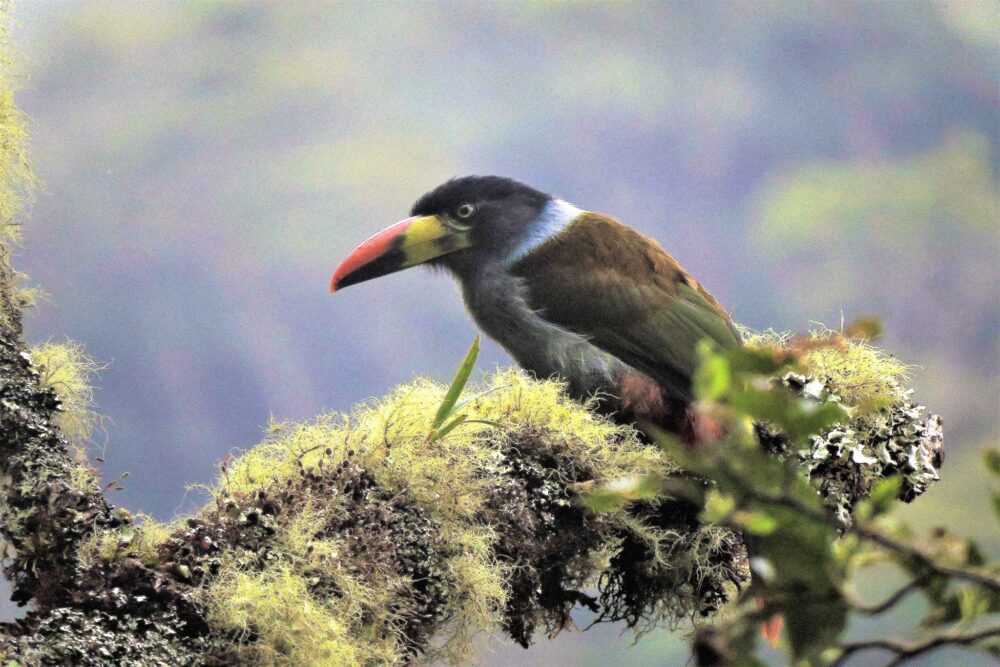
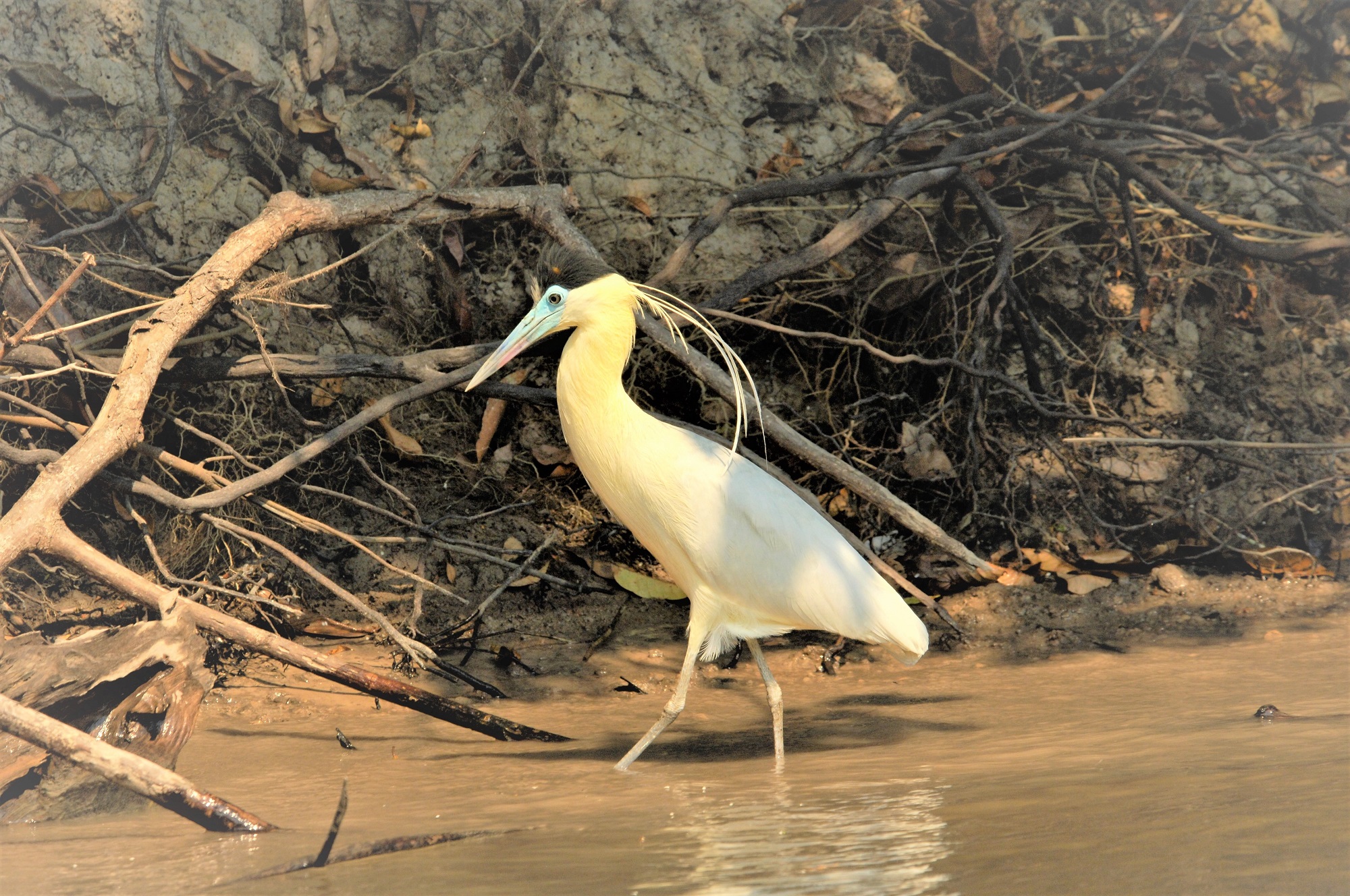
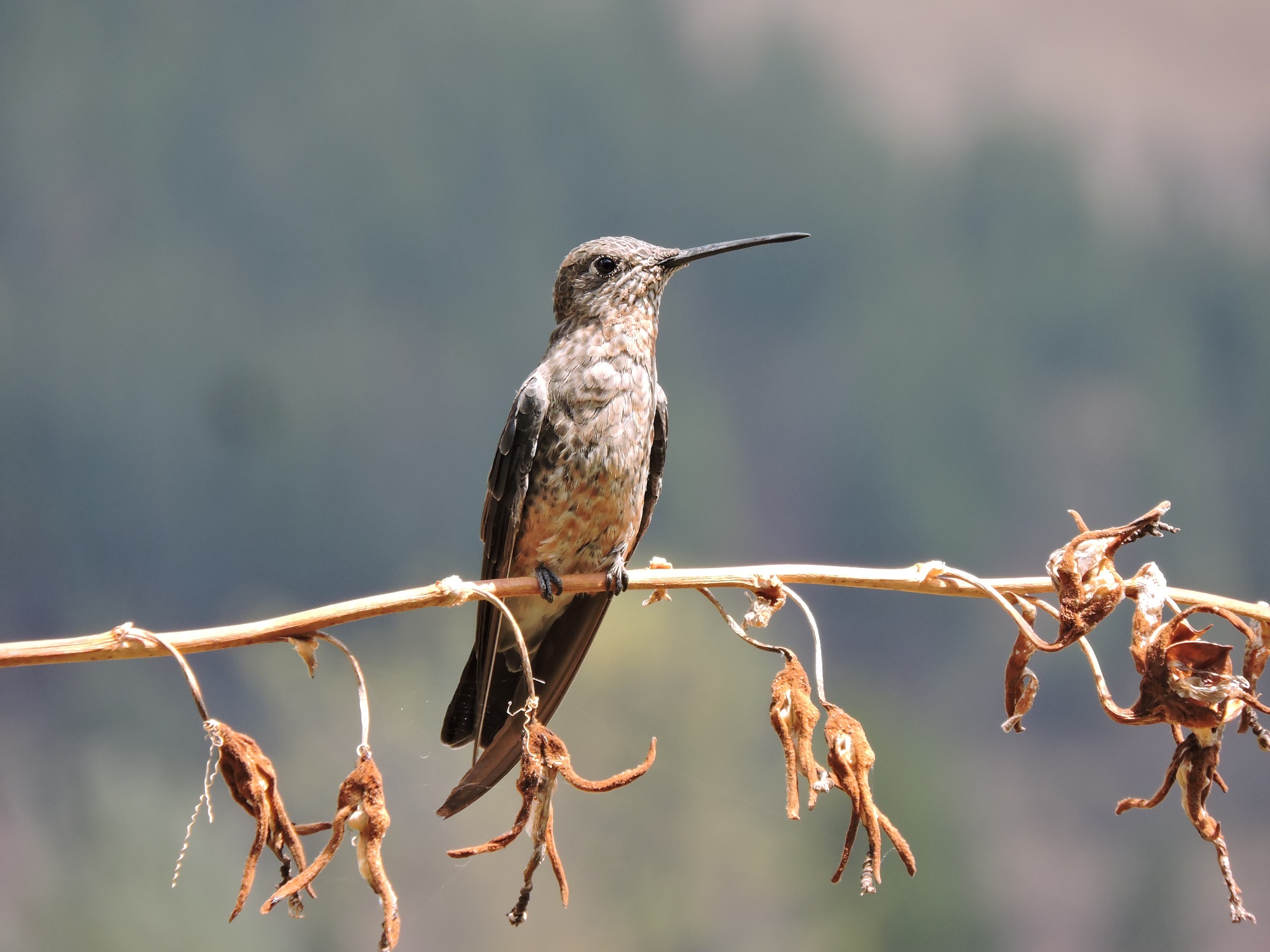
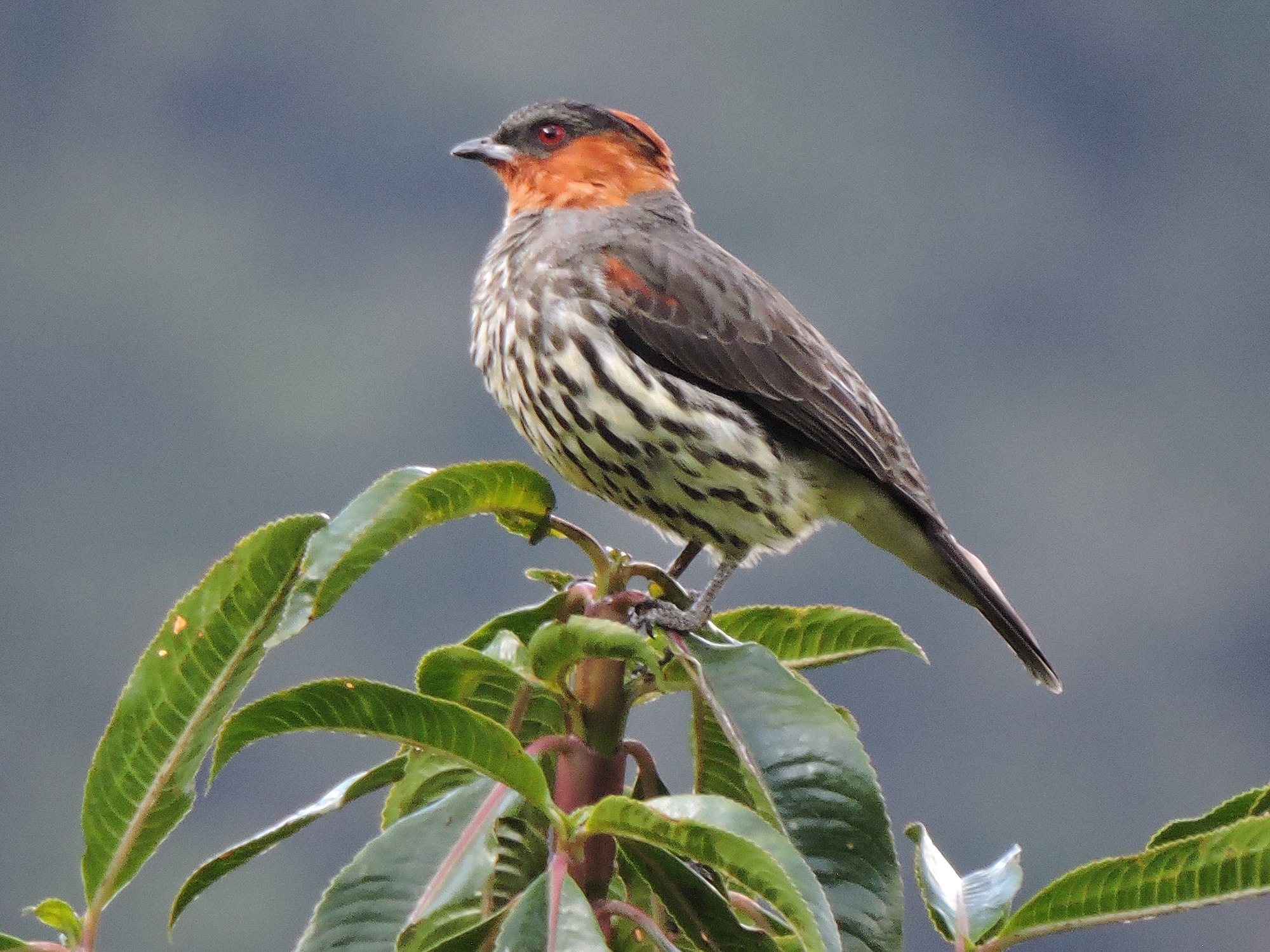
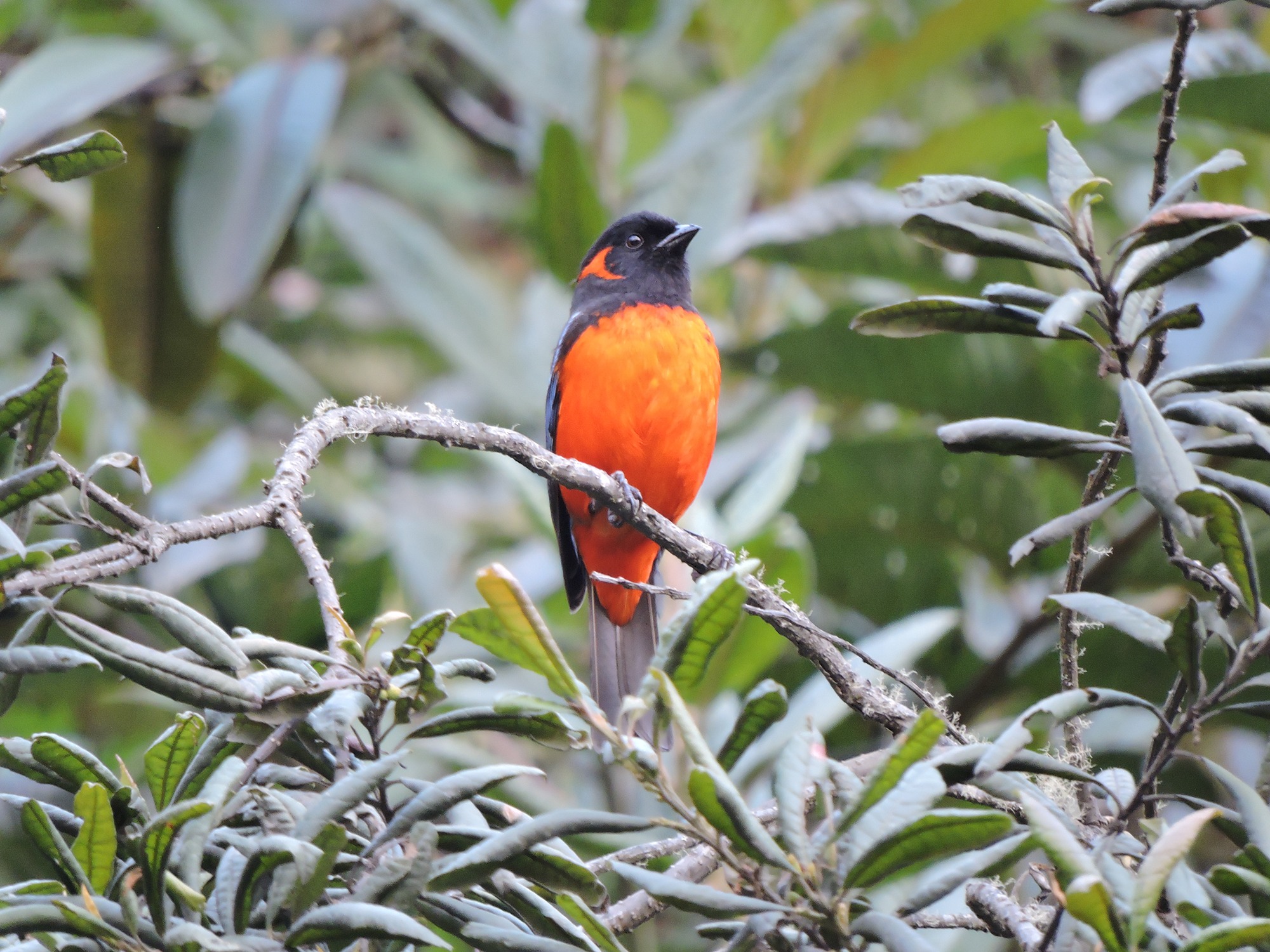
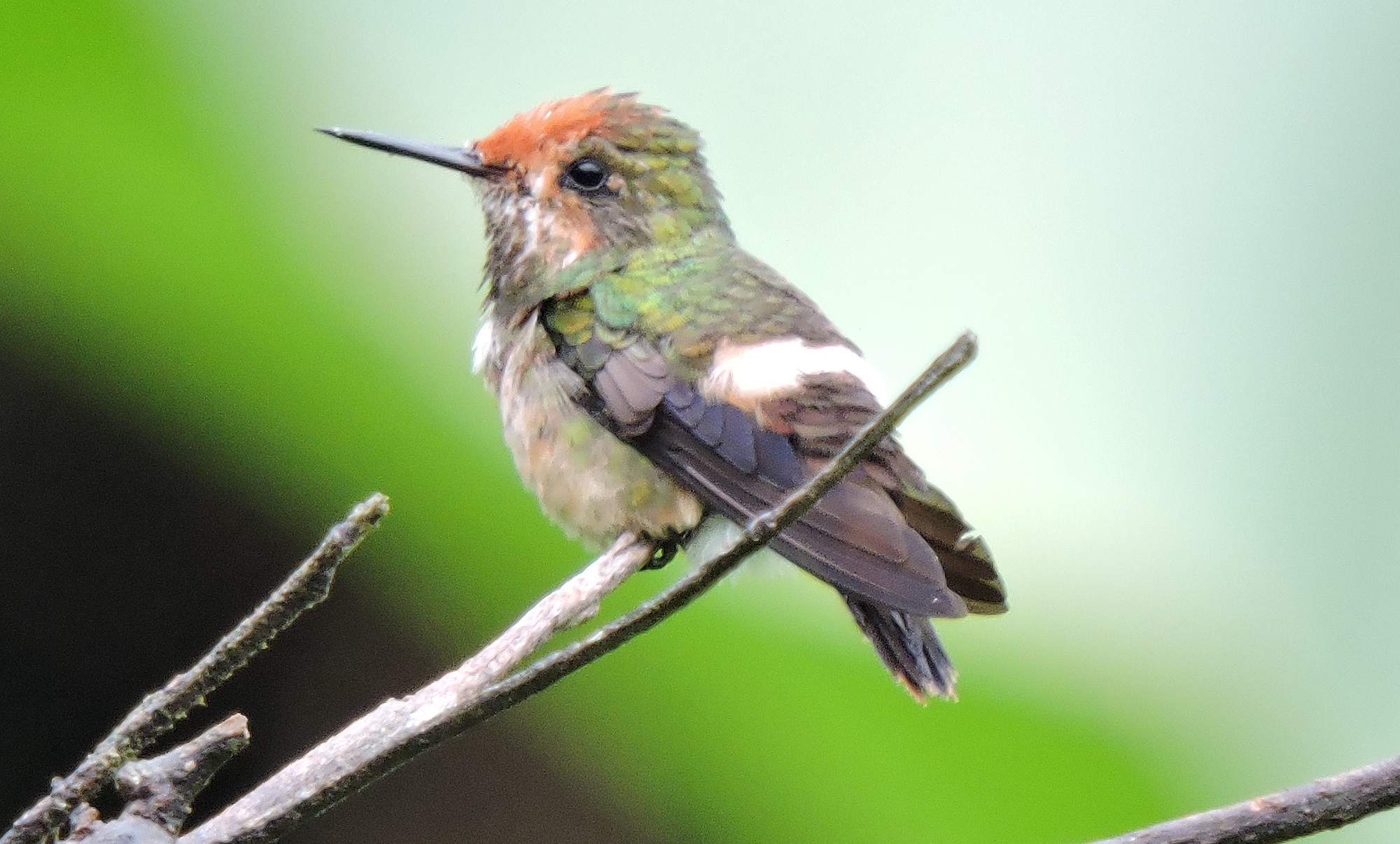
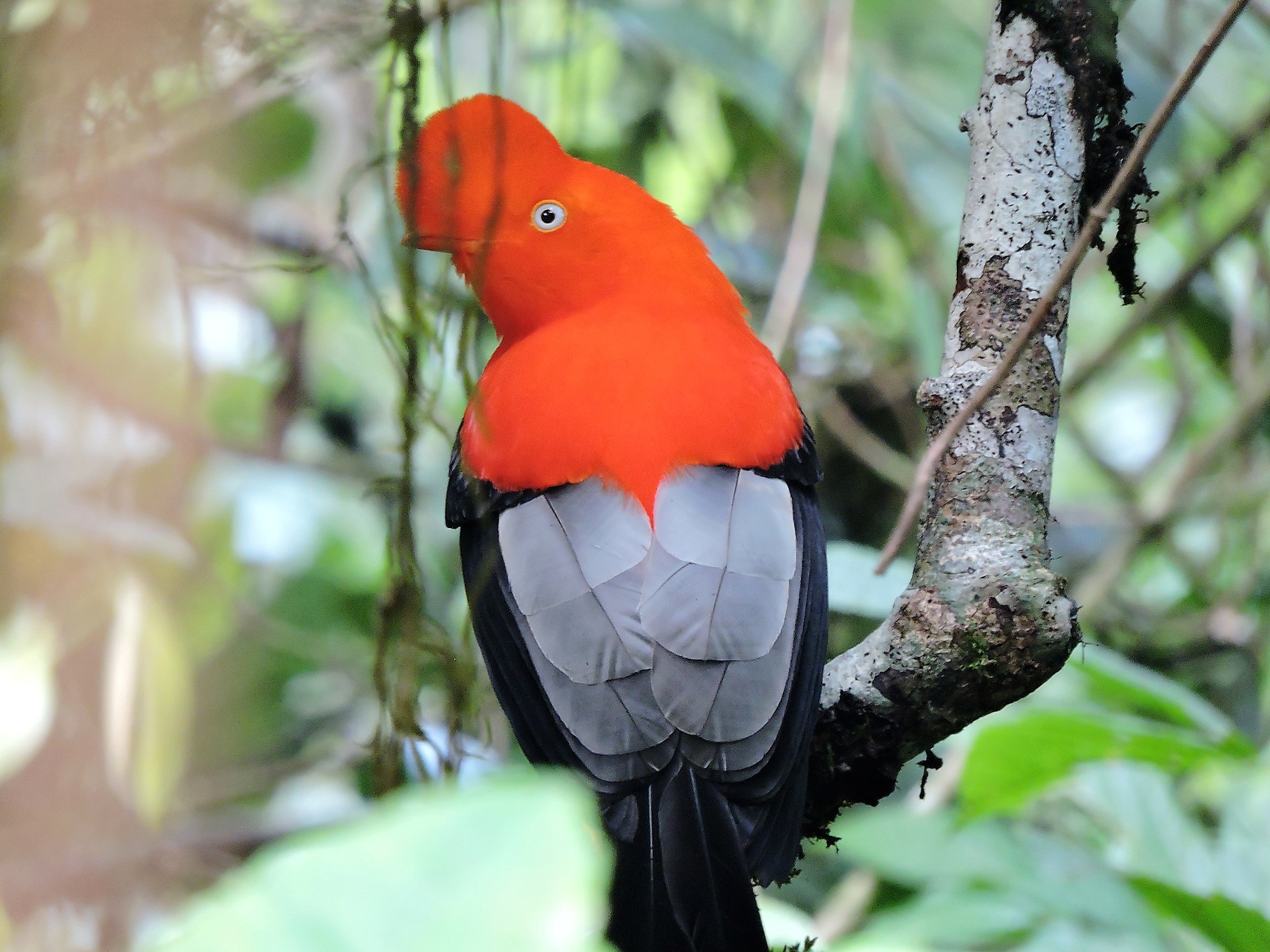
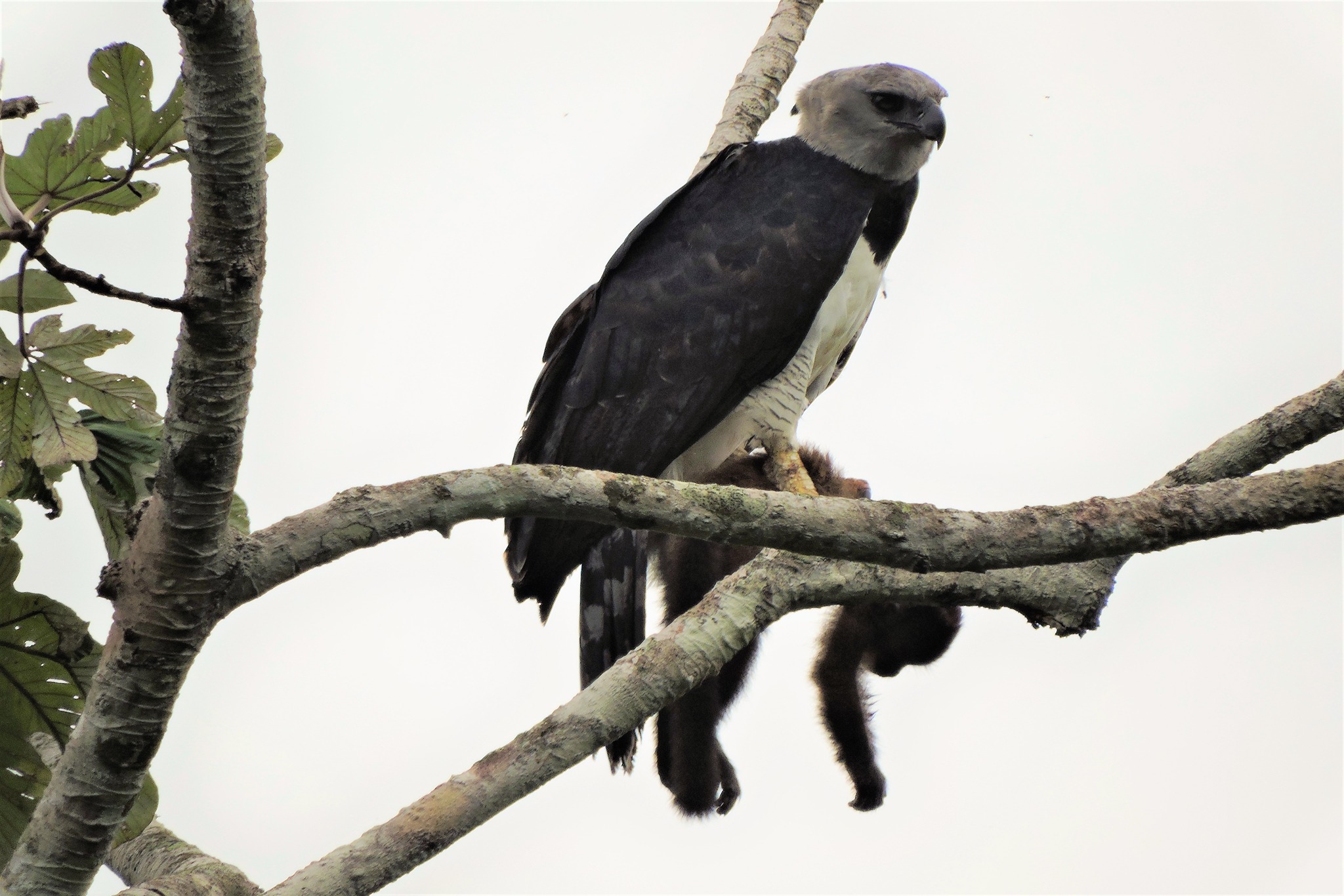
Exploring the Manu road and looking for the birds is a fascinating experience. A journey from the Andes to the Rainforest. The cloud forest holds an incredible bird’s species including the cock of the rock at their displaying site. Going further down there is an increasing number of Amazonian birds such as; antbirds, toucans, antshikes.
Price Includes
Price Excludes
Our 4 days birding in Manu itinerary is built around one of the most famous birding corridors in South America: the Manu Road. In just a few hours of driving, you transition from high Andean landscapes into mossy cloud forest and then down to warm foothill rainforest—a powerful altitude gradient that concentrates an extraordinary variety of birdlife.
This route is ideal for birdwatchers and bird photographers who want maximum diversity in a short time. Expect frequent roadside stops, mixed-species flocks, lek visits, hummingbird activity, and opportunities for emblematic species such as Andean Cock-of-the-rock, Golden-headed Quetzal, motmots, and mountain toucans.
The Manu Road offers a unique habitat that is home to a variety of rare birds, some of which can only be spotted It is located in the eastern part of the Andes Mountains and is home to a wide range of birds. Indeed it’s an ideal location for birdwatchers of all levels.
Birdwatchers can spot some of the most colorful and interesting species of birds found anywhere in the world. Among them are the Andean cock-of-the-rock, the golden-headed quetzal, and together with momots, mountain toucans.
The Manu Road is not “one habitat”—it’s a sequence of ecosystems stacked by elevation. That’s the secret. Each zone holds different specialties, so your species list grows quickly as we descend.
On this tour you’ll bird:

Our guiding style is active and field-focused: we scan constantly, listen for calls, and stop when the birds are working—because Manu birding success often comes from being ready for “one more bend in the road.”
Paradise Lodge sits in prime Manu cloud forest elevation (around 1,500 m), offering excellent access to trails and road birding. It’s also a superb place to relax while still birding—many sightings happen right from the lodge’s balcony or common areas. See the bird list
Key highlight: the chance to witness the unforgettable display of the Andean Cock-of-the-rock at a nearby lek, one of the most iconic experiences in Peruvian birding.

Guadalupe Lodge is based in foothill rainforest with diverse habitats close at hand. Birding here combines trail walks, forest edges, and specialized zones like mature bamboo and Mauritia palm forest—a combination that attracts both widespread Amazon species and localized specialties.
Notable birds recorded around the lodge area can include:
(We also track sightings through eBird and maintain updated lists for key hotspots and lodge areas.)

This is classic Manu: cool air, epiphytes, orchids, and constant bird activity. Mixed flocks—especially tanager-heavy—move through the forest, and many species appear right along the road edge, making conditions excellent for both observation and photography.
Signature targets often include:

As we descend, the species composition shifts dramatically—more Amazonian birds, more vocal activity at dawn, and frequent encounters with canopy and midstory species.
Common foothill highlights can include:
This palm-dominated habitat is a birding feature on its own. The structure and food resources here support a different community than surrounding terra firme forest.
Possible specialties include:

Bamboo birding is famously challenging—dense foliage, quick movement, and more “heard first” encounters—but it’s also where some of Manu’s most desirable birds live.
Potential bamboo-associated targets include:


Where available in the route plan, lagoon birding adds a new layer: waterbirds, shorebirds, and seasonal migrants. These zones can produce everything from herons and kingfishers to unexpected passage birds depending on the month. 194 species in EBird.

It’s a four-day birding program along the Manu Road, designed to cover multiple ecosystems—from Andean cloud forest down to Amazon foothill rainforest—maximizing bird diversity in a short timeframe.
Yes. Guadalupe Lodge sits in a productive foothill habitat and private reserve, with bird activity often close to the lodge. This reduces driving time and increases time on trails and key microhabitats.
The tour typically starts and ends in Cusco City . Pickup is usually available from the airport, bus terminal, or hotel in City (based on your operator’s policy).
Pickup is usually between 5:30 AM. Please be ready outside your hotel or at the confirmed meeting point during this window, with luggage packed and easy to load
The Tour is ending by 6:00 PM
Yes, participants can be delivered at the airport in Cusco at the end of the tour (night time flights recommended)
Birding groups are small usually 6 – 8 people
For high season (especially May–September) we recommend 7 days in advance / during low season can be 3 days in advance
You’ll bird across a strong elevation gradient, including:
It can be arranged either way depending on your preference and availability. Private tours are ideal for photographers and serious birders who want more control over pacing.
Absolutely. We encourage it. eBird is excellent for hotspot checklists and recent sightings, and Merlin helps with quick identification in the field.
Yes. Beginners enjoy it because sightings are frequent and habitats are easy to observe. Experienced birders appreciate it for endemic targets and the efficient route.
Not required. A scope is very useful at Huacarpay, and the guide can bring one to help everyone get good views of distant waterbirds.
Recommended essentials:
Review the complete packing list in the Download Files Section
It’s moderate and adaptable. Most birding is done with short walks and frequent stops, but conditions can include uneven ground, cold mornings, sun, and high elevation
Yes. We prioritize ethical birding: respectful distances, minimal disturbance, and habitat protection. Playback use (if any) is applied conservatively and only when appropriate.
Yes, within the 4-day structure. If you share a target list (quetzals, tanagers, bamboo specialists, antpittas, etc.), we can adjust stops and timing to focus on your priorities.
No. Birds are wild and movement changes with weather and season. However, the itinerary is designed around proven habitats and peak birding times to maximize your chances.
Yes. The Manu Road offers:
It’s generally moderate. Expect early starts, short-to-medium walks, and uneven trails at times. Altitude in the cloud forest sections can also be a factor.
You’ll experience major changes:
Birding is good year-round, but:
Totals vary by season, weather, and your pace. Because this tour covers multiple ecosystems, it can be highly productive, from 150 to 200 sp.
Yes. Bamboo habitat is included when possible to target specialists such as:
Yes, the tour is planned to target a Cock-of-the-rock display area (lek) when conditions allow, since it’s one of Manu’s signature birding experiences.
Common target highlights include:
The Download Files tab provides travelers with easy access to all essential documents related to your birding tour. Organized in a simple PDF format, this section ensures that you can quickly view, save, and print the information you need for your journey.
+51 964 422
info@wildwatchperu.com
Went birding with Luis on four-day trips. He was an amazing guide and engaging. We found over 250 species of birds In various habitats. He was able to point out the species that were allowed to be seen and pointed out the calls of the more difficult to see. Recommend any of the offered tours depending on which species you are looking for.